AI-Native Software Engineering

Complex software.
Engineered faster.
Solutions for C++, Qt, embedded and simulation — powered by EDN for up to 10× faster delivery at lower cost.
16+ Years
2010- C++
- PHP
- MySQL
- HTTP
- HTML
- JavaScript
- Qt
- CAN
- Embedded
- TCP/IP
- UDP
- C#
- Unity3D
- OpenGL
- QML
- Jenkins
- Python
- Squish
- SQLite
- Git
- CMake
- Wayland
- IPC
- MATLAB
- Conan
- MQTT
- DDS
- Warleague
- EDN — Engineering Delivery Network
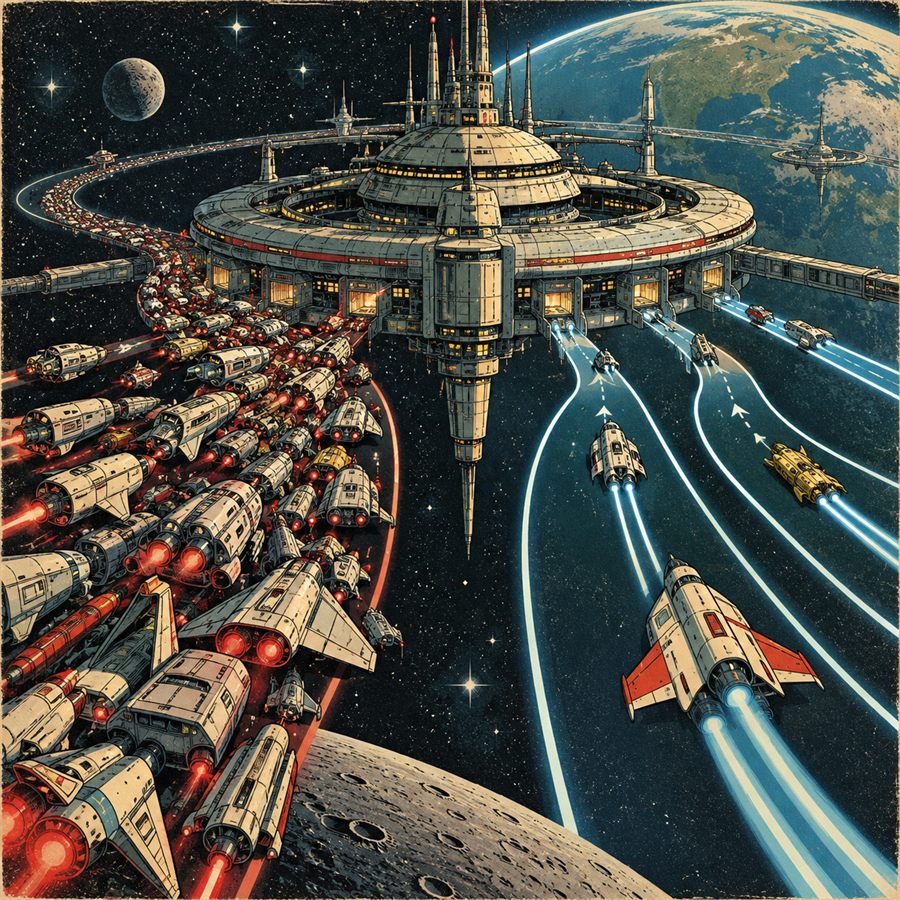
Engineering Throughput
You don't need more developers.
You need more engineering throughput.
Traditional development scales by adding developers — and with them tickets, handovers, reviews and coordination.
EDN scales execution instead: experienced engineers stay responsible for architecture and critical decisions while implementation, testing and verification run in parallel.
5 developers · 10 coordination paths1 specification · 5 parallel streams
Friction reduces throughput.More engineering throughput.
1 specification · 5 parallel streams
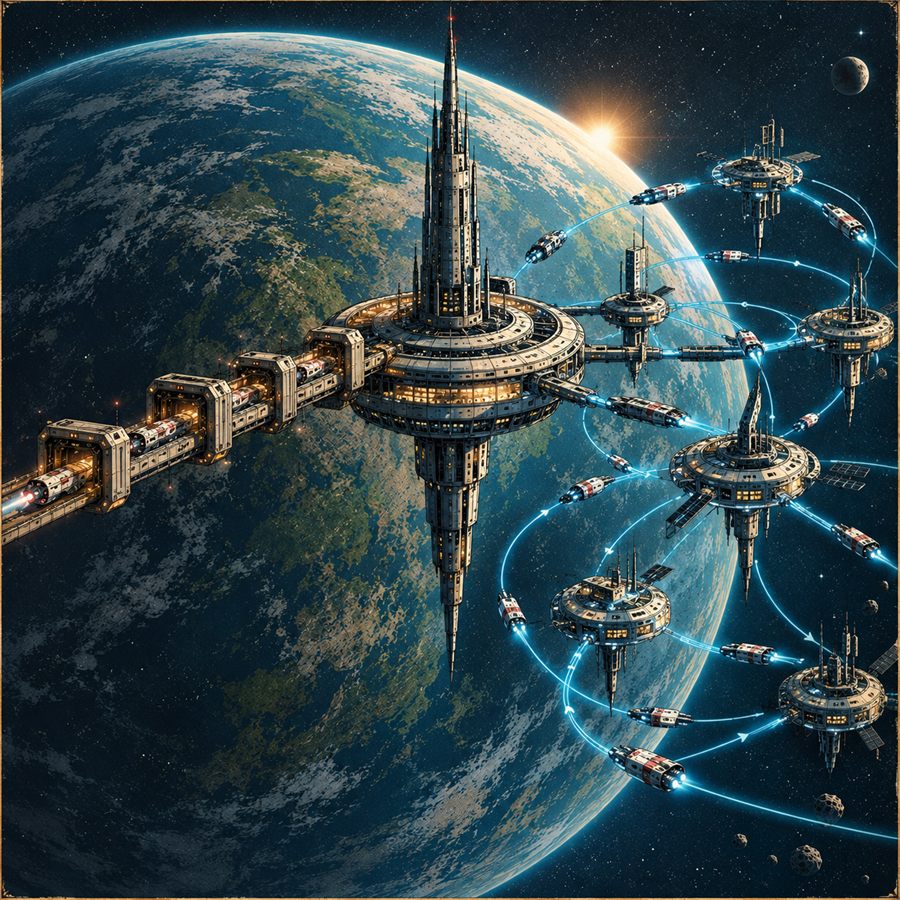
Engineering Delivery Network
Software development changed.
The process should change with it.
Scrum and Kanban were designed around coordinating human development capacity.
EDN applies AI across the engineering lifecycle — from determining specifications and designing architecture to parallel implementation, testing and verification.
It is designed to increase engineering throughput, not simply coding speed.
Traditional
- Requirements
- Backlog
- Developer
- Review
- QA
Tasks finished0
EDN
Tasks finished0
Determine the right system before generating the code.
EDN uses AI to help turn goals and existing system context into concrete specifications, domain boundaries, architecture, constraints and acceptance criteria.
It can identify missing information, challenge inconsistencies and help evaluate architectural decisions before implementation begins.
Turn architecture into parallel engineering work.
Once boundaries and expected behavior are clear, EDN decomposes the work across specialized agents that can analyze, implement, test, refactor and document in parallel.
The result is significantly more engineering execution without scaling coordination overhead at the same rate.
Maximum validated progress — not maximum generated code.
Tests, builds, static analysis, architecture rules and CI continuously check whether changes satisfy the specification and remain compatible with the wider system.
Verification feeds back into the engineering process rather than happening only after implementation.
EDN
- Goal
- Specification
- Architecture
- Build
- Verify
Human guidance & approval where needed

Complex Engineering
Built for the software other teams find difficult.
Our strongest advantage appears where software crosses boundaries — between UI and domain, software and hardware, simulation and reality, or established systems and new requirements.
Modernize complex native software without throwing away what already works.
We evolve long-lived C++ and Qt applications, industrial HMIs and engineering tools while keeping domain logic separate from UI and infrastructure.
Experience
QWidget-to-QML modernization, Qt plugin architectures, WebAssembly thin clients and automated UI testing.
Technology
C++ · Qt · QML · CMake · Conan · Squish
Make hardware complexity manageable in software.
We isolate devices, protocols and infrastructure behind explicit interfaces so embedded systems stay testable and simulatable instead of coupling the domain to individual hardware.
Experience
Embedded Linux systems, device configuration, CAN-connected automotive applications, IPC architectures and MQTT-based device simulation.
Technology
Embedded Linux · C/C++ · CAN · LIN · MQTT · IPC
Turn complex physical systems into software engineers can understand.
We build configuration, simulation and visualization applications that acquire real-world data, process it and turn system behavior into interactive engineering tools.
Experience
Radar acquisition and visualization, FFT-based processing, automotive radar simulation, 3D sensing and Python/MATLAB scripting APIs.
Technology
C++ · Qt · Python · MATLAB · Simulation
Build the software surrounding the engineering core.
Complex products need more than native and embedded software, so we also build the supporting services, platforms and interactive applications around them.
Experience
Cross-platform applications, automotive 3D visualization, Unity VR development and the Warleague ecosystem.
Technology
.NET · C# · PHP · Unity3D · OpenGL
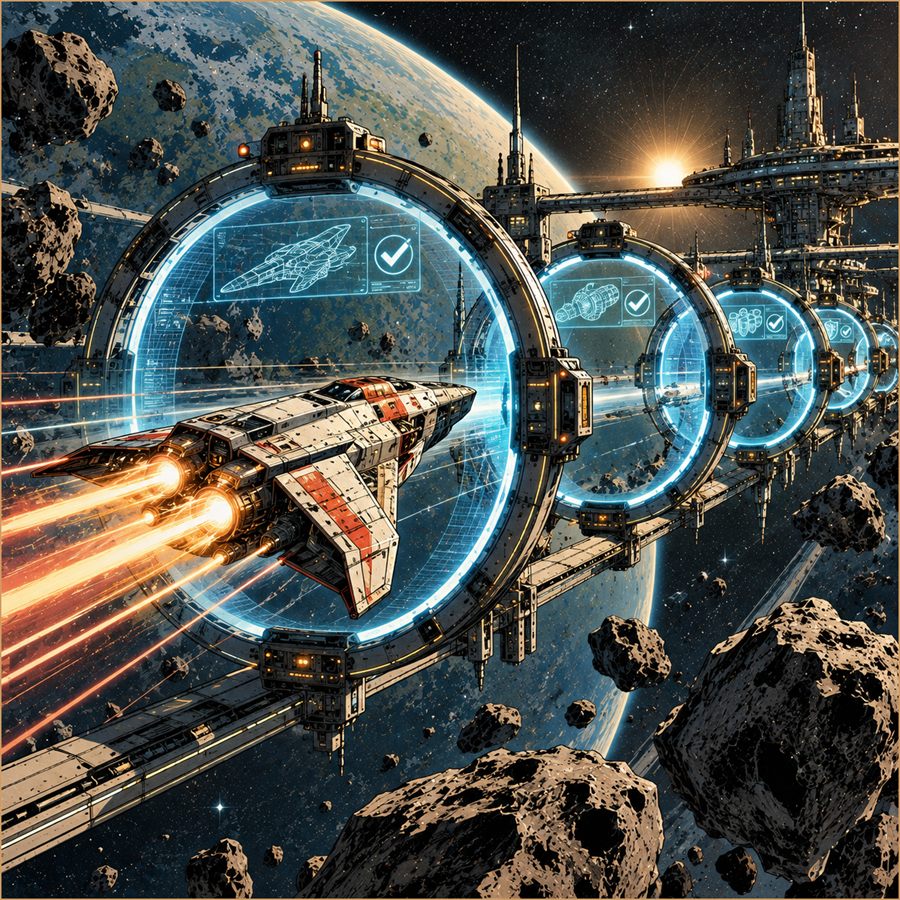
Engineering Discipline
Speed only matters when the result can still be maintained.
AI makes implementation faster.
Our engineering process makes the result production-ready.
Architecture
DDD · Clean Architecture · Explicit Boundaries
Keep complex systems understandable as they grow.
Tested by default
TDD · Unit · Integration · Automated UI
Protect behavior before changing implementation.
Continuous verification
CI · Static Analysis · Coverage · Quality Gates
Every integration proves itself before becoming part of the product.
Native engineering
Profiling · Sanitizers · Concurrency · Device Simulation
Use practices appropriate to performance-sensitive and hardware-connected software.

16-Year Industrial Reference
Domain-Driven Design introduced into established engineering teams and carried through to production.
Long-lived C++ and QML codebases refactored until they could absorb new requirements without a rewrite.
Architecture boundaries, review practice and automated testing left running for the teams that came after.

Founder
Mesut Ozdogan
Twenty years of software development — five with Infineon, four with Heidenhain Numerics, three with Midas Elektronik.
Projects delivered for OSP, Vorwerk and Koenig & Bauer.
- Midas Elektronik
- OSP
We Build What We Use
We don't only deliver projects.
We build products ourselves.

EDN
Our own Engineering Delivery Network is the system behind the delivery model we use for customer projects.

Warleague
Our own physical and digital product ecosystem gives us direct experience building, shipping and evolving a complex product.
We build for a lifetime.
Start With The Difficult Part
Bring us the complexity.
Tell us what you are building, what already exists and where development is slowing down.
We can evaluate the architecture, technical risks, modernization path and automation potential — and determine where EDN can materially improve delivery.